
Hajj, Umrah & tourism
Thoughtful journeys for pilgrims and visitors.
Group transfers, luggage and schedules coordinated with season-specific operating requirements.
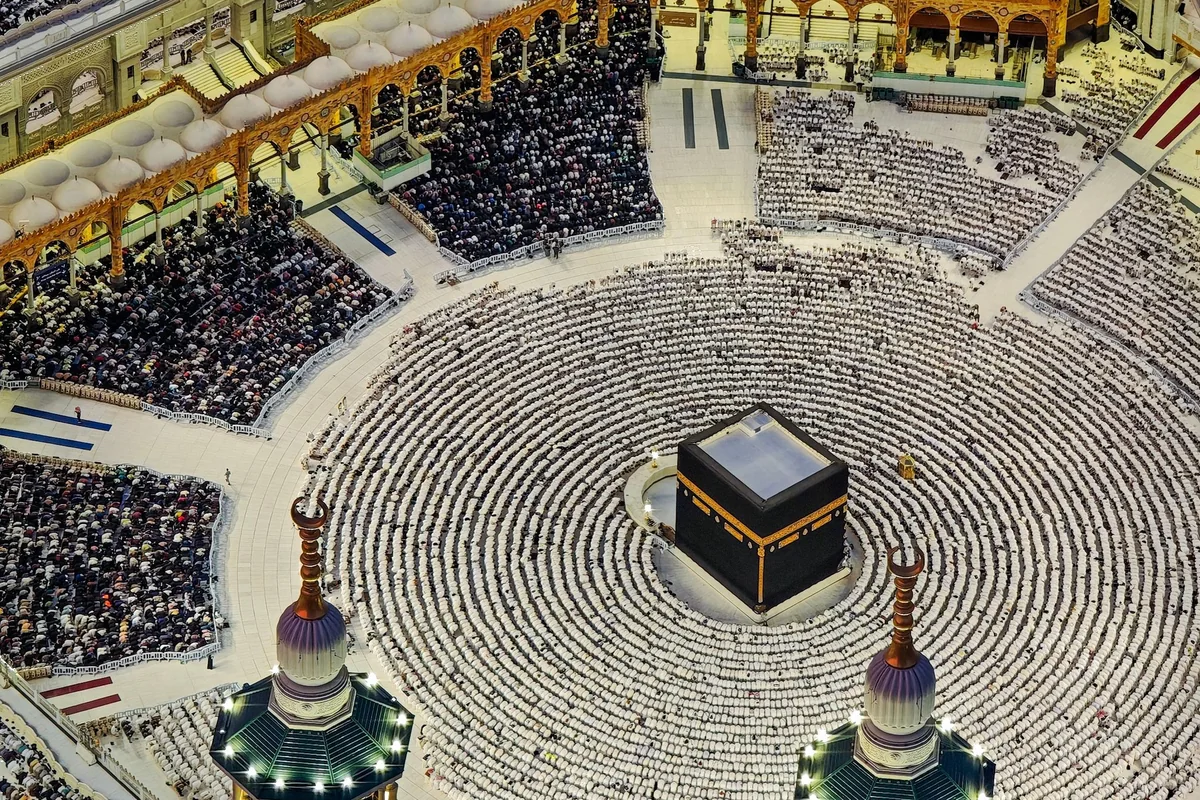
The details we help coordinate
Planning starts before the bus moves.
Group and luggage coordination
Seasonal pickup restrictions
Applicable operating permits
- 01
Send your request
Route, passengers and date by website or WhatsApp.
- 02
Review the proposal
A suitable category and a clear quote, subject to availability.
- 03
Confirm and travel
An agreed vehicle, driver and journey plan.
- 04
Follow up and review
Journey follow-up and reporting within the agreed scope.
Suggested categories for this service
0849–50
Exterior 1 / 5
Intercity • Tourism • Conferences
With driverLuggage by layout
- Long-distance comfort seating
- Overhead and large luggage space
- A/C and reading lights
From1,200 SAR / day
0422–30
Exterior 1 / 5
Companies • Tours • Daily trips
With driverLuggage by layout
- Clear aisle and easy boarding
- Individual belted seats
- Group air conditioning
From800 SAR / day
0112–14
Exterior 1 / 5
Small groups • Airports • Hotels
With driverLuggage by layout
- High-roof cabin and aisle
- Seat belts
- Easy access and A/C
From500 SAR / day
Planning example, not a claimed completed project
How a plan comes together
An Umrah group arrives in Jeddah and continues to Makkah and Madinah. Planning covers luggage, meeting times and permitted boarding points, with operating requirements confirmed for each leg.
Tracking where equippedReports by contractAgreed contingency plan
Start with the actual journey
Group transfers, luggage and schedules coordinated with season-specific operating requirements. Pilgrim transport calls for careful group coordination, attention to older guests and enough time for luggage handling. We review the itinerary, hotel locations, available pickup points and bag quantities. A group representative checks headcount before each move. Departure planning includes reception, gathering and boarding time, not just the distance on the road.
Details that improve delivery
Seasonal arrangements, stopping points and access routes may change. Appropriate regulatory and operating requirements are confirmed with the organizer before the final booking. Multi-stage journeys between Jeddah, Makkah and Madinah can be coordinated while distinguishing visit time from travel time and setting out each party’s responsibilities.
Choose the right vehicle
We review passengers on each run, luggage, road conditions, distances between pickups and expected comfort. Two small vehicles can suit separated routes, while one larger bus may organize a group meeting at a single location. Fleet capacity ranges help planning, but the final capacity depends on the available vehicle and its layout. Seating, air conditioning, seat belts and storage are checked before the category is confirmed. Screens, charging points or microphones are specified only when available. Please flag particular passenger needs before the vehicle is selected so suitability can be considered.
Coordinate the driver and meeting points
We prioritize experienced drivers, route knowledge and professional training. Before service begins, the route, timings, contact person and specific instructions are reviewed. Customers need a clear meeting point and a way to communicate changes; drivers need consistent instructions from an agreed coordinator. For several pickups, the sequence and its effect on arrival time are reviewed. Changes should be coordinated rather than made during a run without notice, because they may affect other passengers and the schedule. The plan should also explain how absences or late passengers will be handled.
Use technology where it helps
Live tracking, journey reports, passenger counting and safety alerts can be discussed when suitable equipment and integrations are available. We focus on an operational benefit, such as understanding arrival time or route occupancy, and agree who may access the information. Vehicles do not all have the same equipment; a technical feature is included only after availability has been confirmed. Privacy, available data and sharing arrangements are reviewed as part of the operating plan. Technology supports the team and driver alongside maintenance, training and planning rather than replacing them.
Understand the written quotation
Before approval, review the vehicle category, capacity, date, operating hours, route, stops, waiting time and return plan. The quote should say whether it includes the driver, fuel, tax and any relevant parking or permit costs. Additional journeys, hours or locations can change the price, so the process for requesting and pricing extras should be clear beforehand. Website ranges are indicative only, and some categories require an individual quotation. Sending a form does not confirm a contract or take payment. The service is agreed after requirements and availability have been reviewed.
Plan for changes and review delivery
A clear plan makes change easier to manage. Discuss notice for passenger or timing changes, cancellation terms and standby arrangements for critical trips if these are required in the contract. During an interruption, the designated contact needs the location and the impact on the group. After the journey, review timing, meeting points and vehicle suitability so adjustments can be made for future service. For continuing contracts, short periodic reviews help track concerns and agreed actions rather than allowing the same issue to repeat on every shift.
What to send with the enquiry
Send the service type, city, exact pickup and destination, passenger and bag count, date, required arrival time and approximate return. For a contract, add operating days, shifts, work locations and the coordination contact. If you are unsure about the category, use the bus selector and share its suggestion with the team. We review the request, suggest available options and confirm the written details that will guide delivery. Precise information makes the proposal more useful and gives both sides a common understanding before the first journey begins.